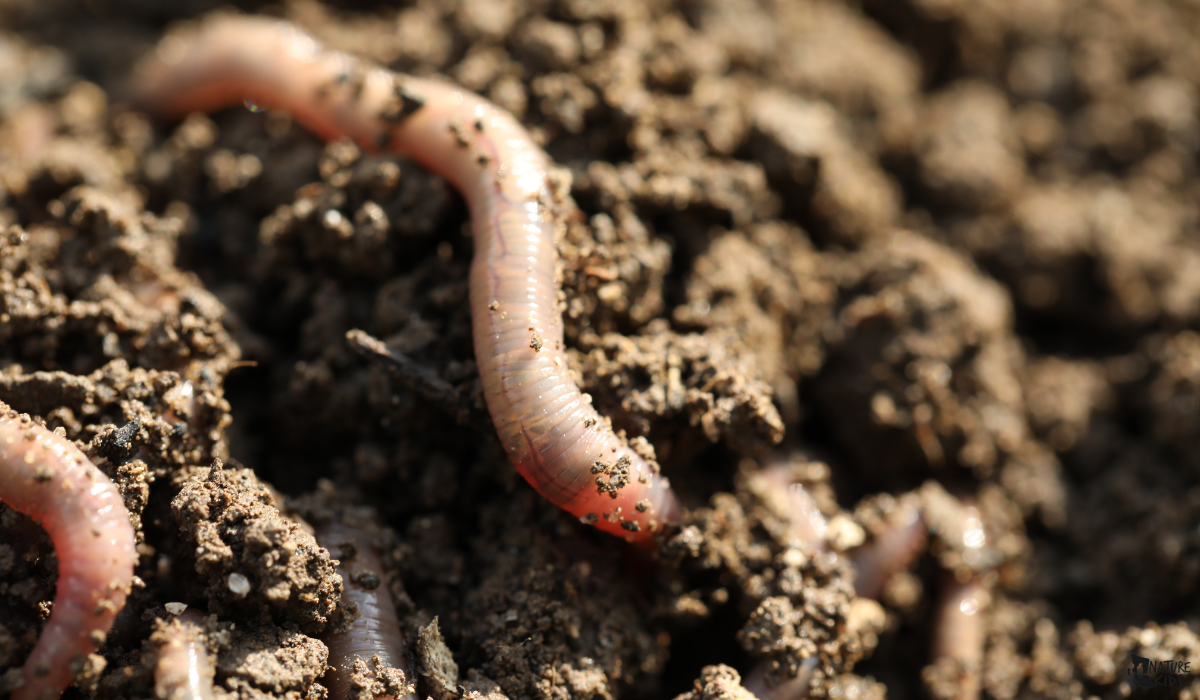
Discover the fascinating world beneath our feet – soil and its vital ecosystems! Soil supports countless plants, fungi, and creatures, and provides essential services like erosion control, air quality regulation, and carbon and water cycling. However, soil health is threatened by nutrient depletion, biodiversity loss, and contamination. Identifying and addressing these issues is crucial, and there are many fun soil-focused activities to help.
Soil Science
Beneath our feet is an important ecosystem we sometimes forget about – the soil and everything that lives in it! Soil ecosystems are vital for both the living and the dead by supporting countless plants, fungi, and creatures (like beetles, mites, worms, nematodes, and more!) and facilitating the decomposition of dead material. Soil also provides important ecosystem services such as erosion control, air quality and temperature regulation, and carbon and water cycling. However, these services are limited by the health of the soil (yes, soil can be unhealthy!). Soil health can be impacted by things such as depletion of nutrients, biodiversity loss, salinization, contamination, or desertification, many of which are growing problems with continued human development and climate change. While there are many threats to soil health, there are also lots of solutions. An important part of these solutions is first identifying places that need attention. So, we’ve outlined some fun soil-focused activities to learn more about soil, the organisms that depend on it, and how to measure the ecosystem health.
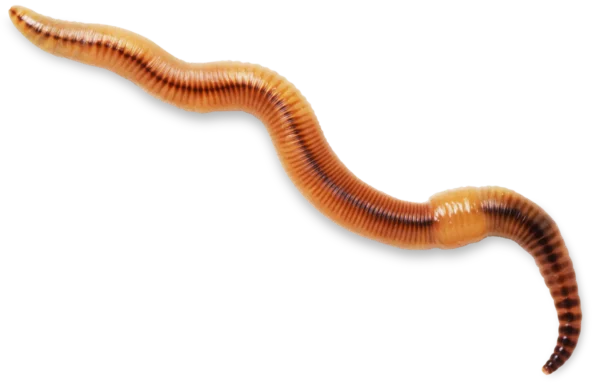
Join Worm Watch

Earthworms are a key part of many soil ecosystems and are called ‘ecosystem engineers’ because they change the functioning and structure of soil so much. Their tunnel systems allow greater water and air movement, which creates easier access for plant roots and greater growth. Worm movement also increases decomposition. While these all sound like great things, not all earthworms are necessarily beneficial. For example, studies have shown that introduced earthworms in Eastern North America are changing soil structure in a way that stops forest regeneration and decreases biodiversity. So, it is important to keep track of not only how many worms are in our backyard, but also which kinds. This is where you come in! NatureWatch has a fun program focused on worm monitoring that you can join. Check out the details here.

Other Activities
Along with the Worm Watch program, there are many different fun activities you can do to learn more about soil and the critters that live in it:

•Learn more about the decomposition rate of your own backyard by Soiling Your Undies!
•Start a worm farm to learn their anatomy and watch how quickly these critters nosh through paper, compost, and more!
→Here is a guide to get started, a quick cheat sheet for success, and a website for supplies in BC.
•If you haven’t already, start composting. Check out this article that highlights the benefits of composting and includes a how-to guide to starting a compost in your backyard.
•Conduct an above-ground study! Many creatures live both above and below ground, so we can still get a sense of who is around without digging by looking at the ground and under stones (just remember to carefully put them back how they were). Choose a 1mx1m spot in your backyard or a natural space you can visit and count how many different organisms you can find, and how many there are of each kind. Here is a simple ID guide for BC.