There are many unique, living beings found all over the world, from your backyard or city home to expansive forest, desert, and ocean habitats. This is called biodiversity, but why is it so important to our planet?
Biodiversity is integral to the health and resilience of our ecosystems, which are communities of organisms that interact with each other and their environment.
Connected by various relationships, different species within ecosystems aren’t just interesting to observe – they can also help shape the land and waters we enjoy, providing long-term opportunities for everyone to grow and flourish.
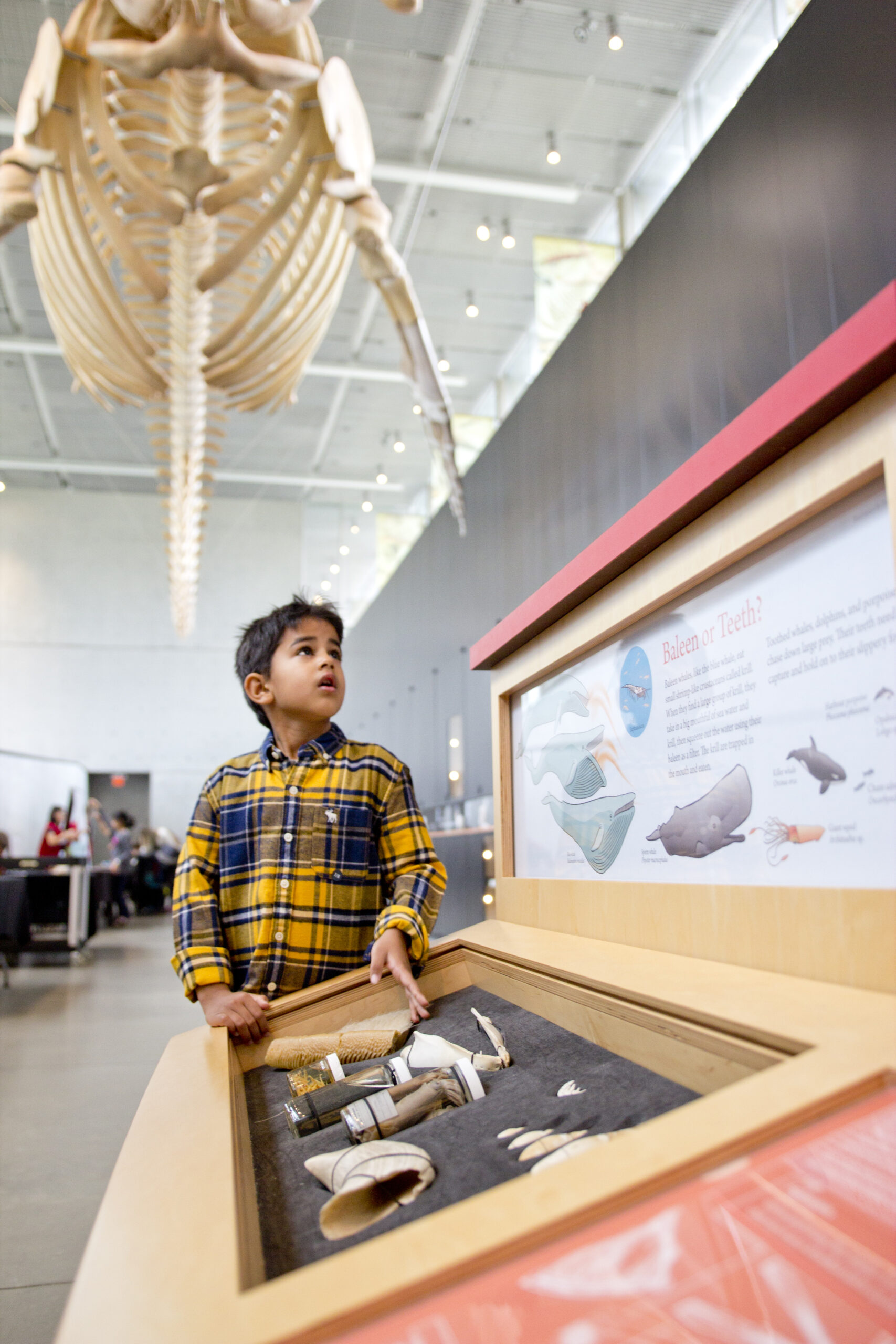
Some of these ecosystem engineers are local to BC! One of the places you can visit to learn more about them is the Beaty Biodiversity Museum in Vancouver, which celebrates the vibrant interdependence of life by displaying real specimen collections for the public.
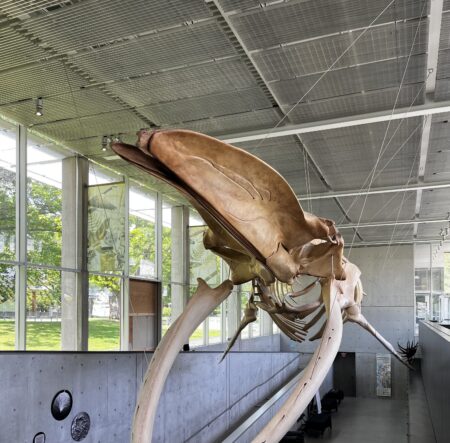
Once inside the museum, you’ll probably approach its most beloved resident right away – Big Blue, Canada’s largest blue whale skeleton, and an even bigger symbol of ecological interconnection! Whales in the wild can eat up to 6 tons (12000 lbs) of krill in a single day, stabilizing delicate population balances in oceans. They also cycle nutrients like nitrogen and iron after feeding, bolstering phytoplankton blooms at the ocean’s surface that absorb 37 billion tons of carbon dioxide every year.
Here is additional information on whales and the ways they positively impact ecosystems.

If you check out the food web kiosk just below Big Blue, you’ll spot the bone-eating worm in a tiny, glass vial. Remember to request a volunteer to handle it if you want a closer look! This odd but helpful creature lives in whale fall ecosystems, which occur when whale carcasses sink to the bottom of the ocean. By dissolving calcified whale bones, the worms create burrows for other marine life to call home and easier access to nutrients or fats within.
Perusing the fish collection, you might encounter these impressively preserved chum and sockeye salmon! Pacific salmon species are a foundational food source for animals like eagles, bears, and even killer whales. When they die, the distributed carbon, nitrogen, and phosphorous nutrients assist vegetation development in coastal, temperate rainforests that land-dwelling species rely on.
Pacific salmon are endangered, so consider donating or getting involved with small, restorative actions.


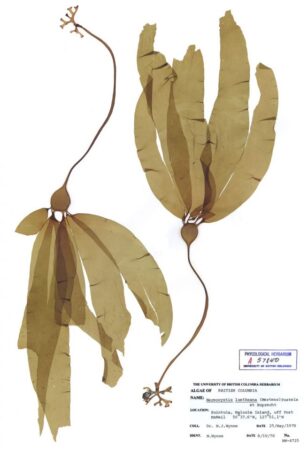
You can admire bull kelp while navigating through the vast herbarium collection. Bull kelp forests are foraging grounds and nurseries for all kinds of species, including sea otters, urchins, and crabs. Kelp are inspiring multi-taskers, as they mitigate ocean acidification, store carbon from the atmosphere, and even regulate wave movements!
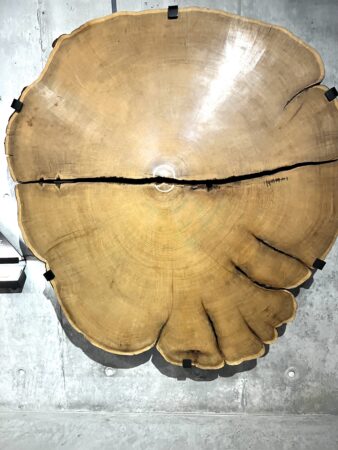
Come by the Discovery Lab at the back of the museum and meet Stumpy, a 775-year-old Western red cedar that was felled in the 1950’s! These trees can have a lifespan of 1000 years, offering structural support like shelter and stream temperature regulation for generations of wildlife. They’re an important historical resource for Indigenous peoples in the northwest, as every part of the tree can be used to create amenities such as medicine, textiles, baskets, or ropes.
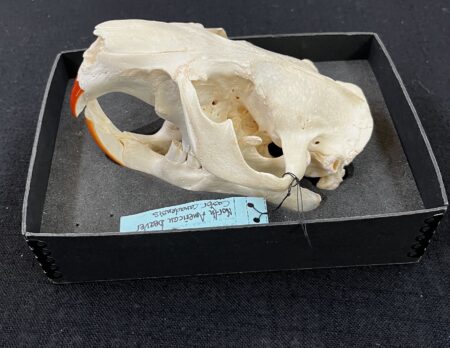
When you’re welcomed into the Discovery Lab, ask a volunteer to open the cabinets and bring out this beaver skull to gently touch! The iconic rodent builds dams which release water during droughts and slow intense, downstream flow, reducing flooding from storms. Their ponds even filter water, keeping it clean and safe for insects, birds, and amphibians to reside in.
Joining NatureKids on our Explorer Days means you get to experience BC’s incredible wildlife diversity and contribute to hands-on ecosystem stewardship. Check out our Virtual Explorer Days for more outdoor teaching moments with community partners!
We’d also like to give special thanks to the Beaty Biodiversity Museum for allowing us to use photos of their artifacts, further sharing the proximity and value of sustainable relations in the natural world. Some of these images are from their 100 treasures archive, which we encourage you to investigate to find more stunning specimens!
Written by Kel Ma, Communications & Engagement Coordinator, NatureKids BC