
This article originally appeared in the Summer 2019 issue of NatureWILD Magazine.
They hang upside down to rest, they’re awake when we’re asleep in bed, they see with sound that we can’t hear, and they fly with silky skin between their fingers. Bats really are the most incredible animals and British Columbia is lucky enough to have at least fifteen species.
Bats are the only true flying mammals. Scientists classify bats in the order Chiroptera, meaning “hand-wing”. Bats are found around the world, in every habitat type (including cities) except the Arctic and Antarctic.
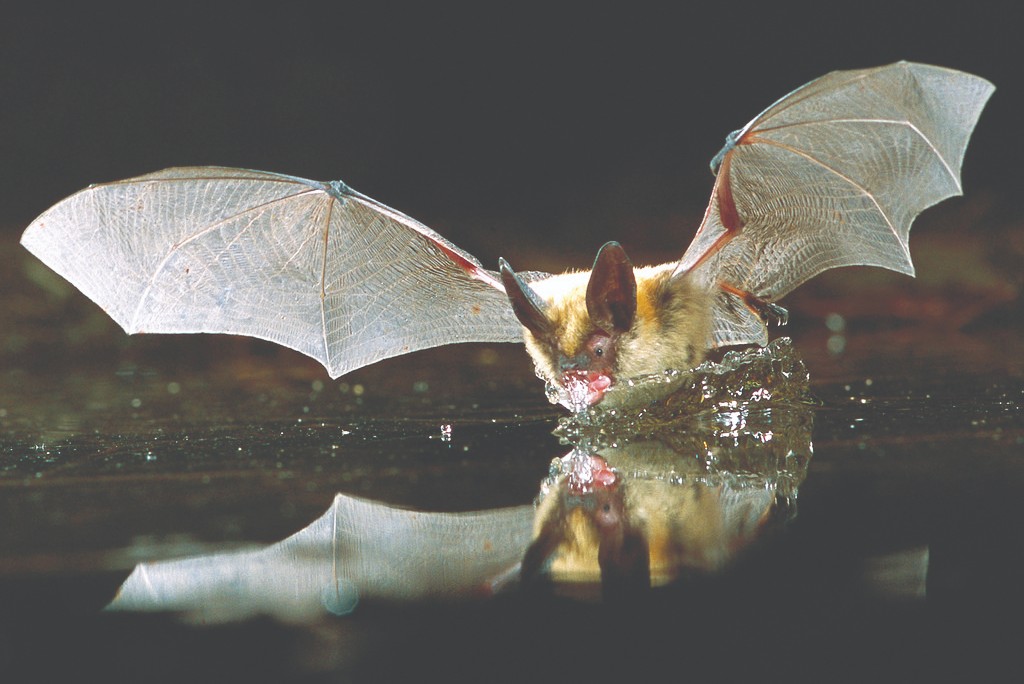
Quick and agile, bats are all-round better fliers than birds. Their bodies are small, but their wings are large and very mobile. The wing is made of soft, thin skin which starts at the bat’s neck, links the tips of all the fingers (except the thumb), then goes down to the bat’s ankle, on to the tip of its tail then up the other side.

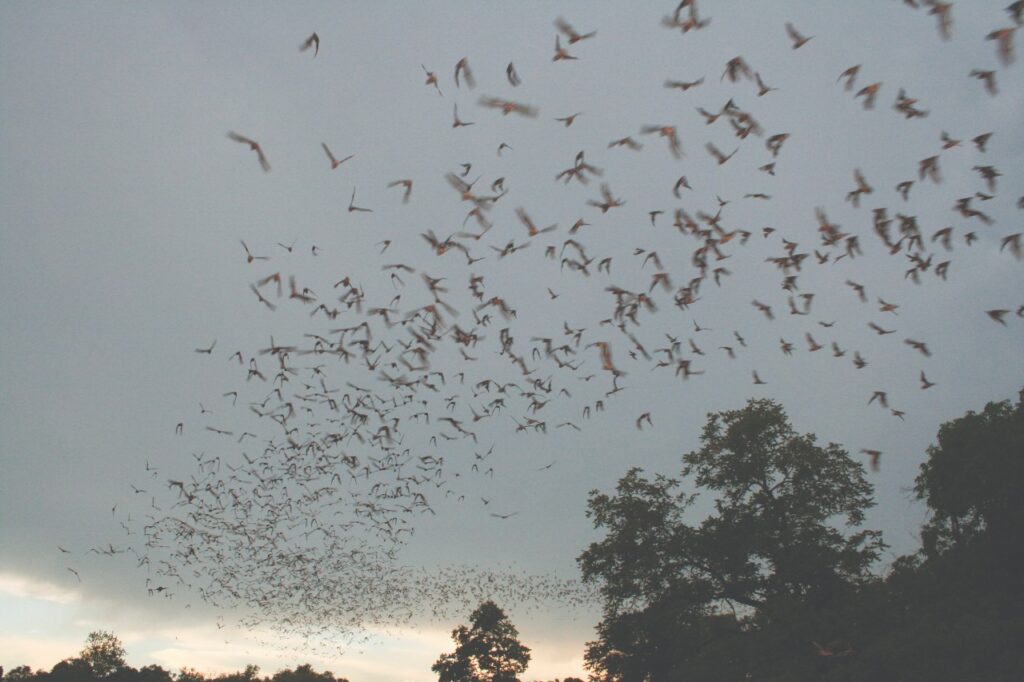
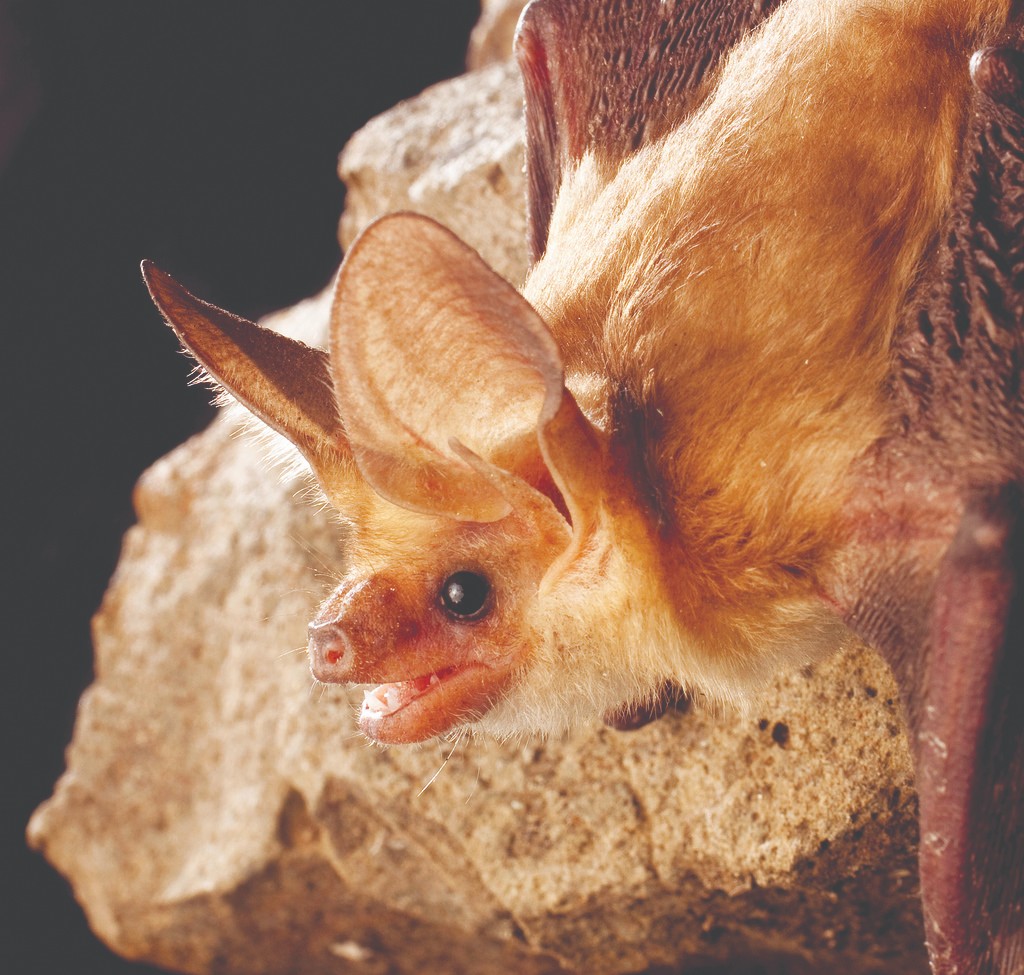
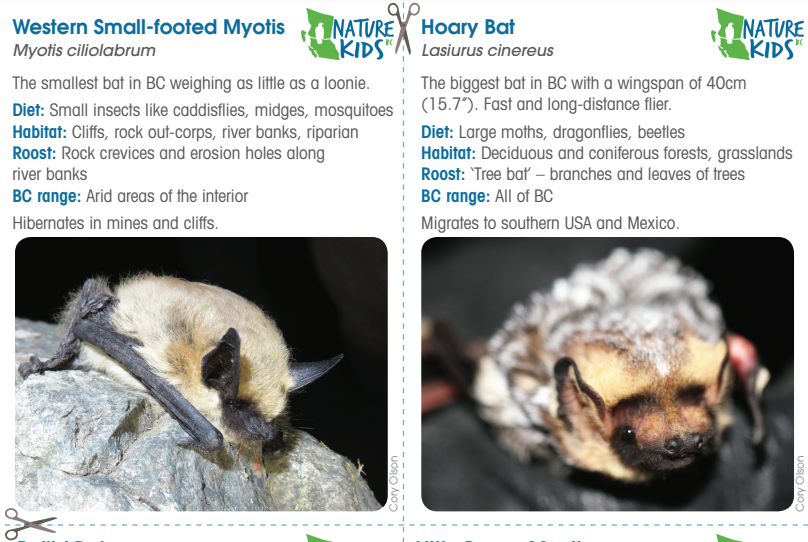
B.C. bats are the most important predators of night-flying insects in the province. They eat about half their weight in insects every night! Just one Little Brown Myotis can catch and eat 600 insects in an hour! Most B.C. bats especially like the insects of marshes and lakes, such as mayflies, midges, caddisflies and mosquitoes. The Pallid Bat is adapted to desert living and eats crickets and scorpions off the ground.

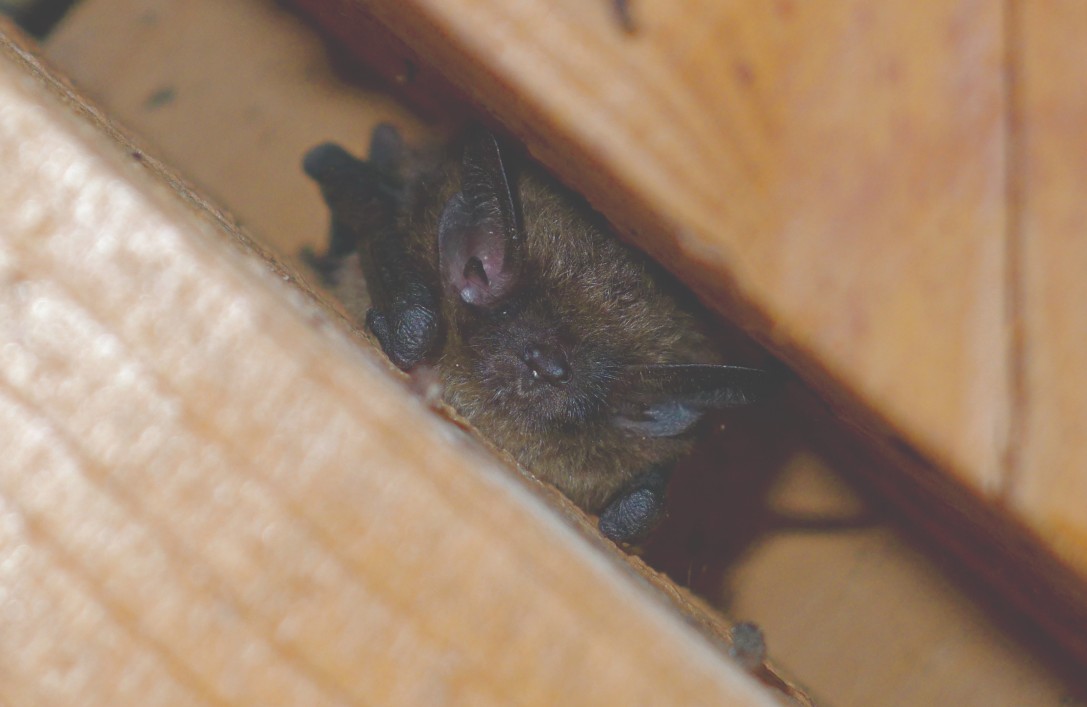
As breeding female bats come out of hibernation, they gather together in nursery colonies to have their babies. They choose sun-warmed cracks in rocks, dead trees or attics! Most bats have only one pup a year. Pups are nursed until they can fly. Meantime, they stay at the roost while their mothers hunt for food at night. If the mother flies to another roost she’ll take the pup with her, clinging to her chest.

During the summer, most bat species spend daylight hours hanging upside down in tree cavities, buildings, rock cracks, under the leavesat the tops of trees or inside peeling tree bark. At night,
of course, they are out catching insects.

In B.C., two species of bats migrate south, but the other 13 species hibernate throughout the cold season. Damp caves and rock crevices make the best places to hibernate. The bats go into a torpor (like a coma) and their heart rate drops to 5 beats per minute. Bats do not store food for the winter, so they must fatten up during the summer to avoid starving through their long winter sleep.
In June, July and August, you can get involved with evening bat counts and submit data that will help scientists to monitor bat populations. You can also learn how to improve important bat habitat and help bats by raising awareness and telling others about the importance of bats.
We invite families, clubs, and schools to learn about and get involved with bat citizen science through four different bat-themed Explorer Days:
Be a Bat Buddy – Meet our local BC bats through multiple fun and informative activities (includes over 2 hours worth of things to do!)
Be a Bat Detective – Do an actual bat count! For this you will also need a Bat count data sheet and Bat ID card.
Be a Bat Bestie – Build a bat home.
Be a Bat Champion – Help raise awareness about bats, the more people know, the better.
These Explorer Day activities can be done individually or in combination. They can be done with your family, your class, your friends and more.
Sources:
Bird Life, RSPB Wildlife Explorers
Bats in British Columbia, B.C. Ministry of the Environment
BC Nature Magazine
B.C. Community Bat Program