• Who We Are
    • Our Team
      • Leaders’ Backroom
    • Our Commitment to Equitable Access and Inclusion
    • Our Principles for Relationship Building with Indigenous Peoples
    • Our Supporters
    • Our Blog
  • What We Do
    • Programming
      • Explorer Days
      • NatureWILD Magazine
      • Passport to Nature
      • Nature for Newcomers
      • NatureHood
      • EcoParent
    • Educational Resources
      • Kids Corner
    • Publications
  • Get Involved
    • Upcoming Events
    • Become a Member
    • Volunteer
      • Volunteer Stories
    • Donate
    • iNaturalist Project
    • Find a Nature Club
      • Start Your Own
  • NatureWILD
  • Shop
  • Who We Are
    • Our Team
      • Leaders’ Backroom
    • Our Commitment to Equitable Access and Inclusion
    • Our Principles for Relationship Building with Indigenous Peoples
    • Our Supporters
    • Our Blog
  • What We Do
    • Programming
      • Explorer Days
      • NatureWILD Magazine
      • Passport to Nature
      • Nature for Newcomers
      • NatureHood
      • EcoParent
    • Educational Resources
      • Kids Corner
    • Publications
  • Get Involved
    • Upcoming Events
    • Become a Member
    • Volunteer
      • Volunteer Stories
    • Donate
    • iNaturalist Project
    • Find a Nature Club
      • Start Your Own
  • NatureWILD
  • Shop
$0.00 0 Cart
Donate Now

Not all flowers are created equal… at least in the eyes (and antenna for smelling!) of pollinators. It’s important to think about the kinds of flowers we put in our community gardens, our parks, and our own backyards. Green space is precious, especially in urban centers, and the flowers we choose can have a big impact on a pollinator’s decision to choose it as their home.

Plants have flowers for one purpose – to attract a pollinator in the hopes of being fertilized by another flower’s pollen. We get the ecological benefit of the beautiful colours and floral scent that this effort produces. Breeding enthusiasts have enhanced petals, size, colour, scent, and number of flowers in order to create hybrids that humans find attractive. However, this might not always serve the wildlife that interact with them. Horticultural flowers sometimes lose their ecological service once they are bred, leaving them with little to offer the pollinators.

Native plants that have co-evolved with our pollinators offer the best source of nutrition at just the right time of year.  If you can, choose native flowers from local seed sources.
Credit: Alexadrina Mihalkova

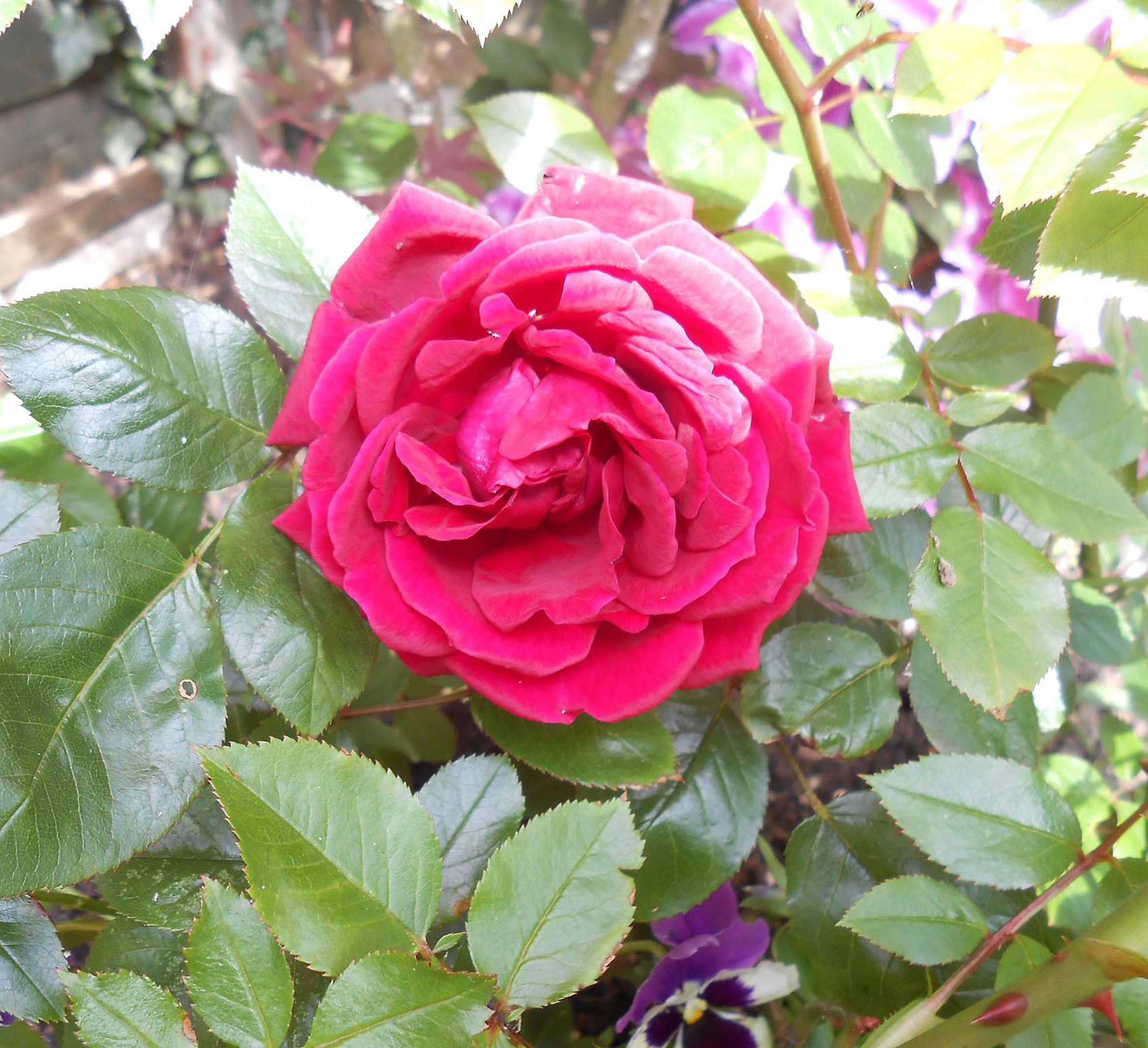
The horticultural rose (left) is vibrant and beautiful, however the number of petals prevents a little pollinator from being able to reach the nectar and pollen hidden inside.
Credit: Erin Udal

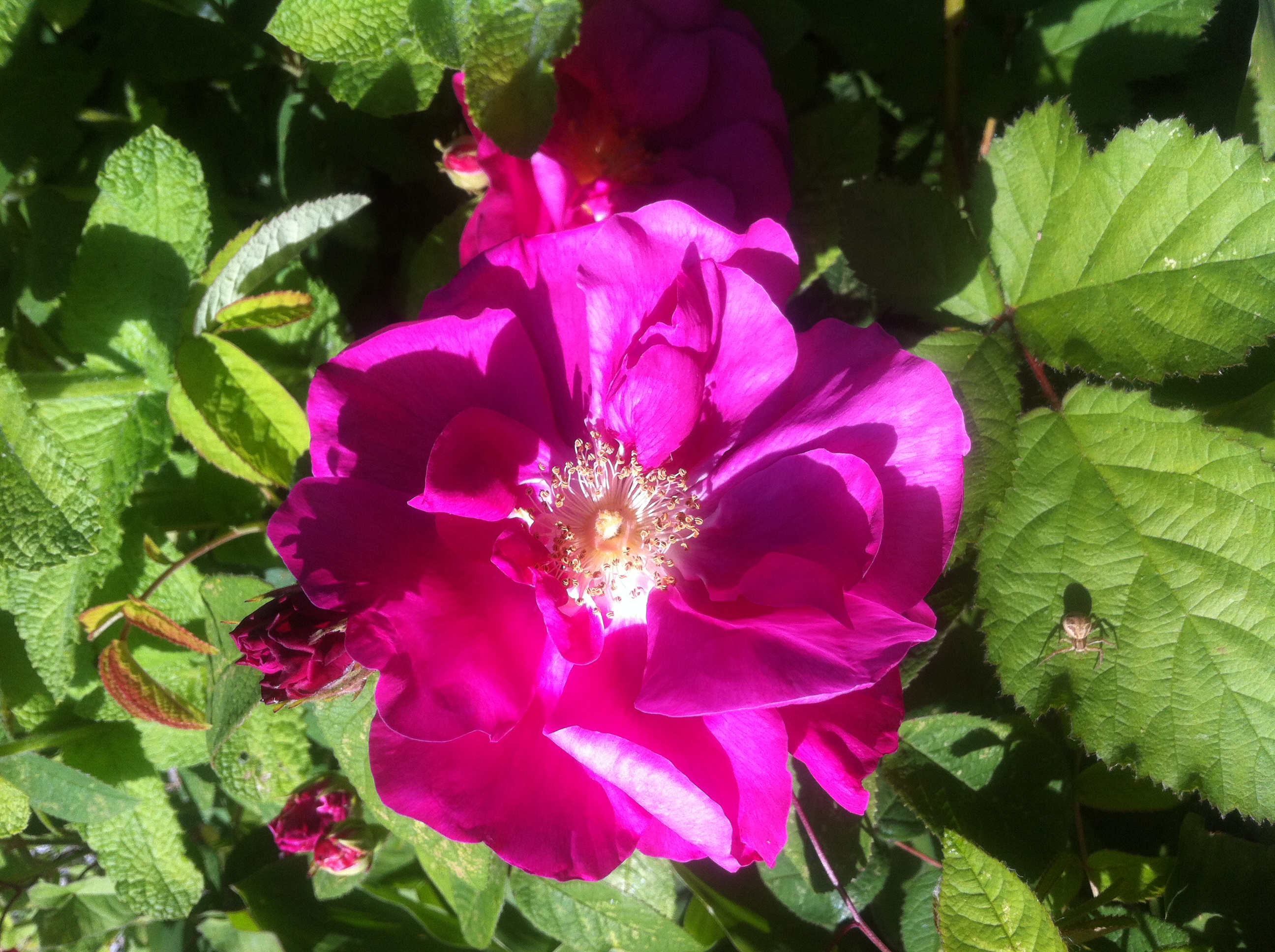
On the right you see a native BC rose. This Nootka rose has less petals and a pollinator can easily access the nectar and pollen displayed in the center of the floret.

There is room in the garden for both our luscious, red roses but also consider making some space for native varieties as well!

Along with planting some pollinator-loving plants, here are some hot tips for making pollinator-friendly backyards.

  1. Make sure to not use pesticides, and purchase starters that have not been treated with pesticides before you bought them.
  2. Prevent turning the soil or mulching where possible. Over 70% of native bees live in the ground, and disturbed soil ruins their homes.
  3. Plan your garden according to bloom time. Bees are busy! You know the expression, make honey while the sun shines… Pollinators are need floral access throughout the whole season so make sure your garden can deliver the goods. Plant flowers that will come out in bloom succession month after month. You’ll appreciate it too!
1620 Mt. Seymour Rd.
North Vancouver, BC V7G 2R9

604-985-3059
info@naturekidsbc.ca
Facebook Youtube Instagram

Get Involved

  • Donate
  • Become a member
  • Subscribe
  • Volunteer
  • Shop
  • Careers

Shortcuts

 
  • Privacy Policy

Mission

NatureKids BC helps children get outdoors to explore, play, learn about and take action for nature.

NatureKids BC is a registered charity (CRA # 84961 1926 RR0001) and our legal name is Young Naturalists’ Club of BC Society.

Join Our Community!

Naturekids BUZZ is a monthly e-newsletter delivering all of the latest news, stories and resources right to your inbox!

We gratefully acknowledge NatureKids BC offices being located in the Elders Council for Parks in BC Heritage Centre, on the traditional and unceded territory of the (Tsleil-Waututh), Skwxwú7mesh (Squamish), and S’ólh Téméxw (Stó:lo- ) nations. Similarly, we acknowledge that as a provincial network within many communities throughout British Columbia, our network learns and plays upon many different territories of the Indigenous Peoples of BC; we invite our local leaders to acknowledge the connection to local Indigenous communities of the ecosystem and place where we are honoured to learn and grow.

© 2024 NatureKidsBC. All rights reserved.