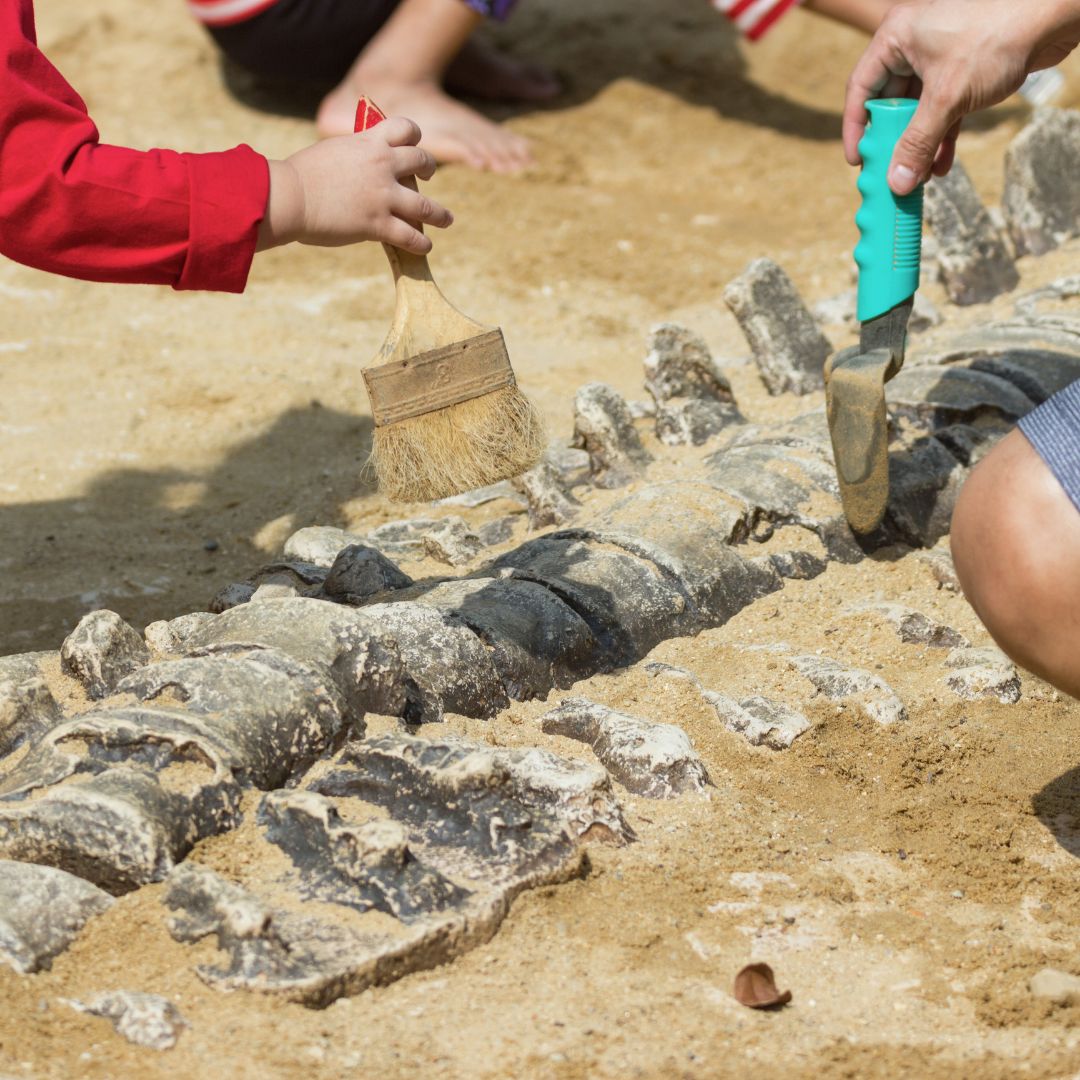
Can you imagine, once upon a time, dinosaurs roaming around BC? These ‘terrible lizards’ were all over what was modern day BC, and their fossils are still being discovered today.
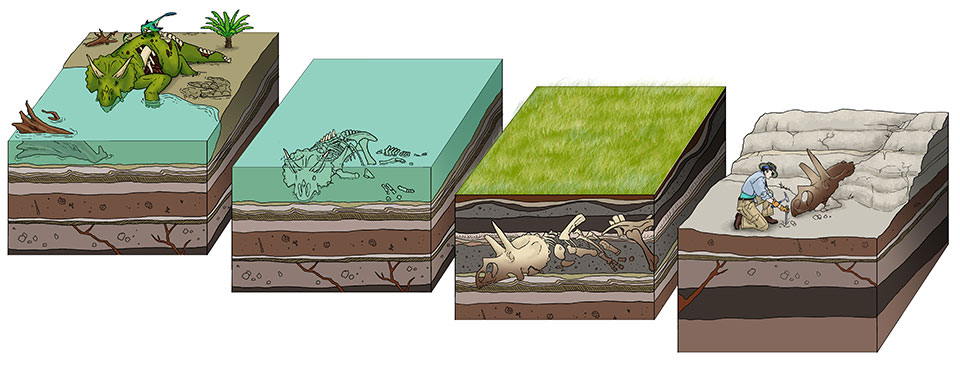
Preserving million and billion year old organisms requires specific conditions. Not all animals and plants can become fossils. Those living in water have more success in being preserved than those living on land. On land, animals, or dinosaurs, are more exposed to other predators and scavengers who will destroy the body, whereas in water the animal is more likely to sink to the bottom, and be covered by layers of sediment that after many years turn into rock, which helps to preserve the animal that might be found today!
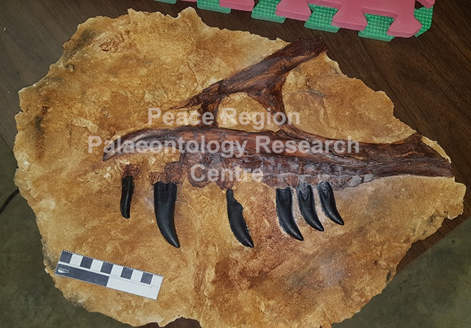
From 250 to 65 million years ago, dinosaurs roamed modern day BC in the Mesozoic era. They were diverse: short and tall, two-legged and four-legged, carnivores and herbivores. Carnivore dinosaurs have been found in BC. A skull of the tyrannosaur Albertosaurus was found in 2017 in Tumbler Ridge, which is around 75 million years old! It has sharp, long teeth which helps them to grab onto and eat their prey.
There have been many other discoveries in Tumbler Ridge. Located to the east of the Rocky Mountains, towards the end of the Mesozoic era during the Cretacous period, Tumbler Ridge was covered in water by the Western Interior Seaway. The shallow waters allowed preservation of many other fossils! Preserved tyrannosaur trackways gave scientists more of an understanding about how they moved, whether solo or in herds. These footprints can also tell scientists how fast the dinosaur was moving or how large they are. You can learn more about Tumbler Ridge fossils here.
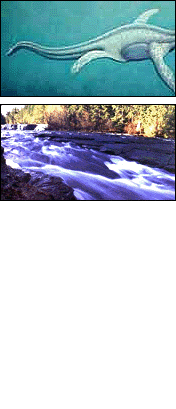
Dinosaurs not only lived on land, but in the oceans too. In 1988, an elasmosaur was found in the Comox Valley on Vancouver Island, by a 12 year old girl and her father! Elasmosaurs are not actually dinosaurs, but are marine reptiles. They have a very long neck, a turtle like body and flippers to help them swim. You can visit the elasmosaur in the Courtenay and District Museum, or go on a fossil tour and maybe you can find some too!
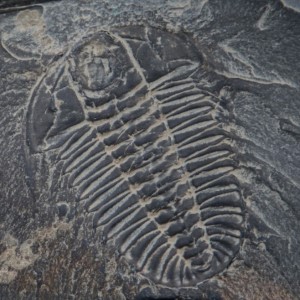
There are many other locations where you can see fossils. The Burgess Shale in Yoho National Park is rich in fossils from the Cambrian, which means organisms that existed before dinosaurs roughly 500 million years ago! These organisms were mostly soft-bodied, and lived in warm shallow waters around the equator, such as arthropods, sponges, and trilobites. Some even tell us more about our own ancestry!
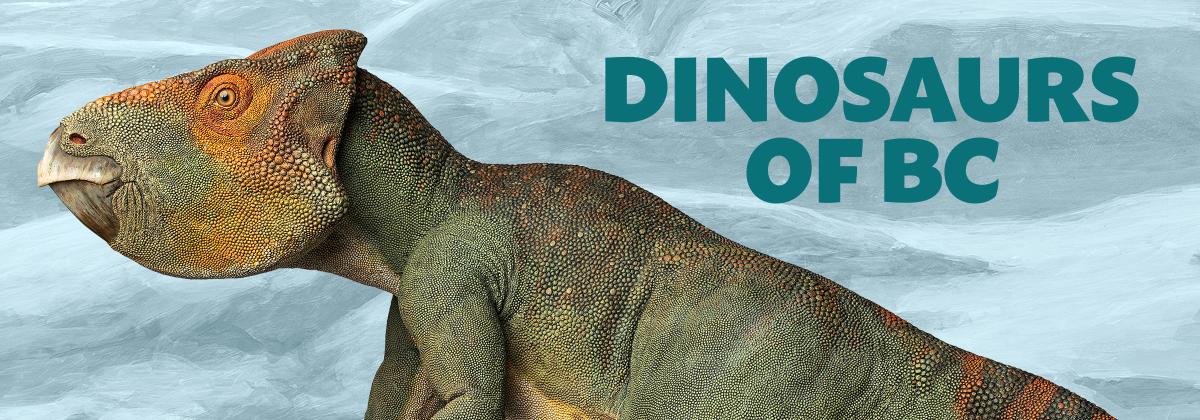
At the Pacific Museum of Earth at UBC in Vancouver, you can see another elasmosaur, a lambeosaurus and the evolution of Earth and its geology. Lastly, the Royal BC Museum’s “Dinosaurs of BC ” exhibition is on until January 7, 2024, where you can discover more dinosaurs that roamed BC! Don’t forget to check out our Virtual Explorer Day from 2021 about fossils. Happy exploring!
Written By Amy Carlson, NatureKids summer communications & research assistant co-op student. Amy is currently studying Geography: Environment & Sustainability at UBC.