Content
- Highlights
- What are pollinators
- Get involved in pollinator science
- Why plant native flowers?
- Hot tips for making your back-yard pollinator-friendly
- Fun facts!
- Downloadable resources
Highlights
 Pollinators are essential for life as we know it.
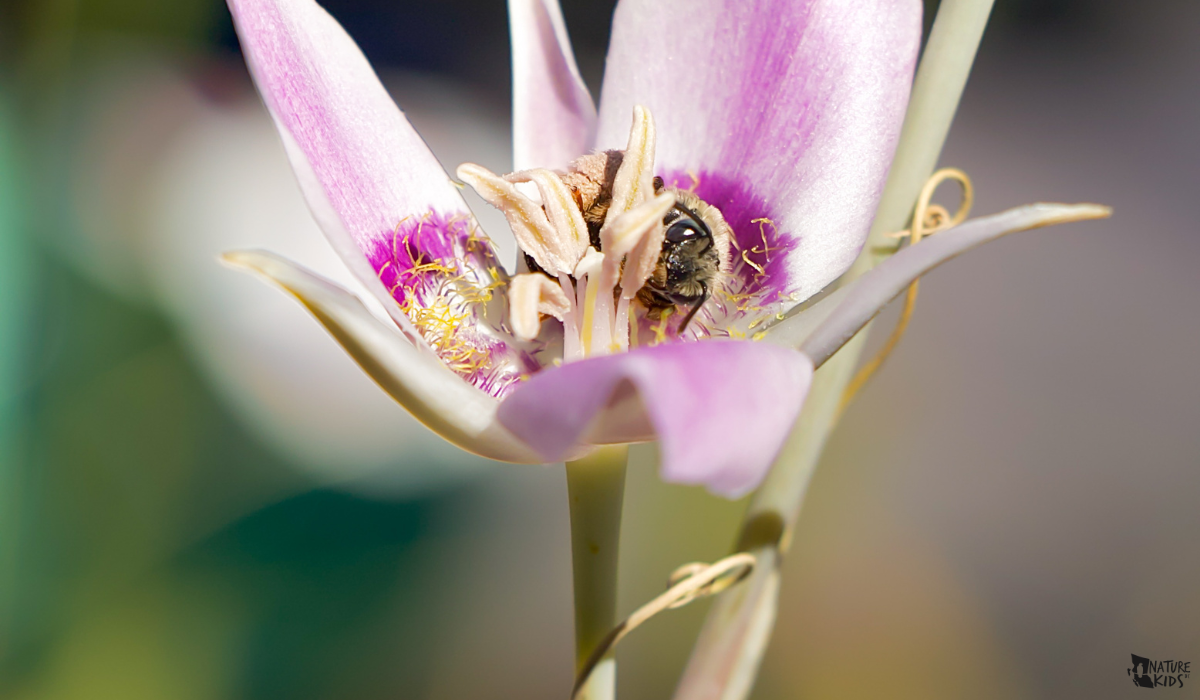
 Over 85% of flowering plants rely on pollinators, including many important food crops.
Sadly, many pollinators are in fast decline around the world.
Individual actions such as planting native flowering plants and educating others about the importance of pollinators are powerful tools that can help.
We created a citizen science project (which is a fun, informative way for people of all ages to learn about nature) focused on identifying local pollinators.
Scroll down for more in-depth information about pollinators, how you can help them, and our citizen science project.
What are pollinators?
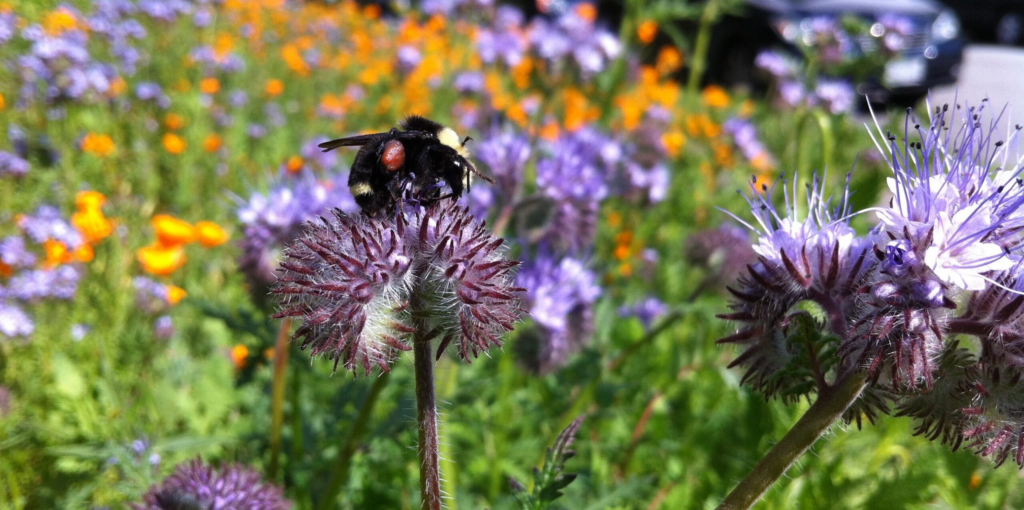
Pollinators are vertebrates (birds, bats, some species of rodents, primates, reptiles and marsupials) and invertebrates (beetles, wasps, moths, butterflies, bees, ants, flies and more) that distribute pollen from one flower to another as they forage, which fertilizes the visited plants. They are essential for life on Earth, with over 85% of all wild flowering plants and 1 in every 3 bites of food relying on pollinators! Without pollinators most terrestrial ecosystems would collapse and humans (and most other animals) would have an extreme food shortage crisis.
Worldwide, pollinator populations are declining with parallel declines in the plants that rely on them for pollination. Both wild and domesticated pollinators are suffering from a range of threats including diseases, pesticide exposure, malnutrition, habitat loss and climate change. Although this is concerning, we can all directly help by planting pollinator-friendly plants. Even if this individual action feels small, when added up together our combined efforts can substantially increase the amount of habitat and resources pollinators desperately need.
Get involved with pollinator citizen science
We are inviting families, clubs and schools to learn about and get involved with pollinator citizen science through surveys and stewardship action. Citizen science is a great hands-on learning tool to get children and youth involved in real science and helps them learn new things about the world around them. The stewardship component engages youth in stemming the decline of pollinators by planting with flowering plants that produce food for pollinators (pollen and nectar).
Through our pollinator citizen science project, youth will learn about wild pollinators, species identification and data collection methods. They will collect data on the abundance and diversity of bees, wasps, and butterflies in green spaces in their local area through data collection events and be encouraged to get involved in stewardship activities that increase pollinator habitat.
Both cities and rural landscapes present unique challenges for pollinators to co-exist with humans. By cataloging our pollinators across the province, we can begin to make informed conservation decisions and provide effective habitat support.
Why plant native flowers?
Not all flowers are created equal… at least not in the eyes (and antenna for smelling!) of pollinators. It’s important to think about the kinds of flowers we put in our community gardens, our parks, and our own backyards. Green space is precious, especially in urban centres, and the flowers we choose can have a big impact on the survival of important native pollinators!’s survival.
Most plants have flowers for one purpose – to attract a pollinator in the hopes of being fertilized by another flower’s pollen (a process called ‘cross-pollination’). Different plants use different strategies to attract pollinators, giving us a wonderful array of flowers with different shapes, smells and colours. Breeding enthusiasts have enhanced petals, size, colour, scent, and number of flowers to create hybrids that humans find attractive. However, this is not always beneficial to the wildlife that interacts with them. Horticultural flowers sometimes lose their ecological service once they are bred (for example, their pollen can be toxic or unappealing to bees), leaving them with little to offer the pollinators.
Native plants that have co-evolved with our pollinators offer the best source of nutrition at just the right time of year. If you can, choose to plant native flowers from local seed sources (check out https://www.pollinator.org/guides-canada for region-specific recommendations).
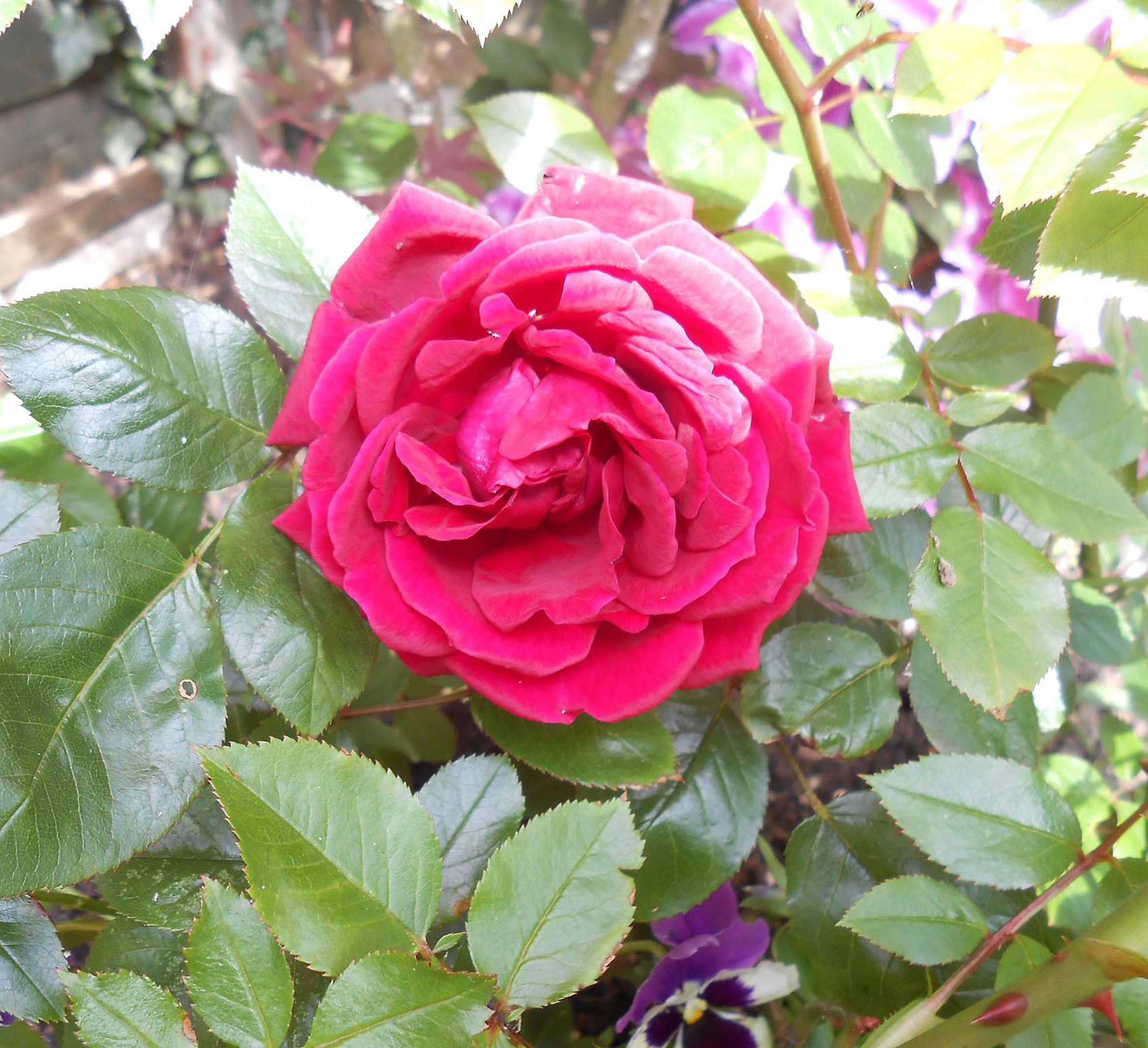
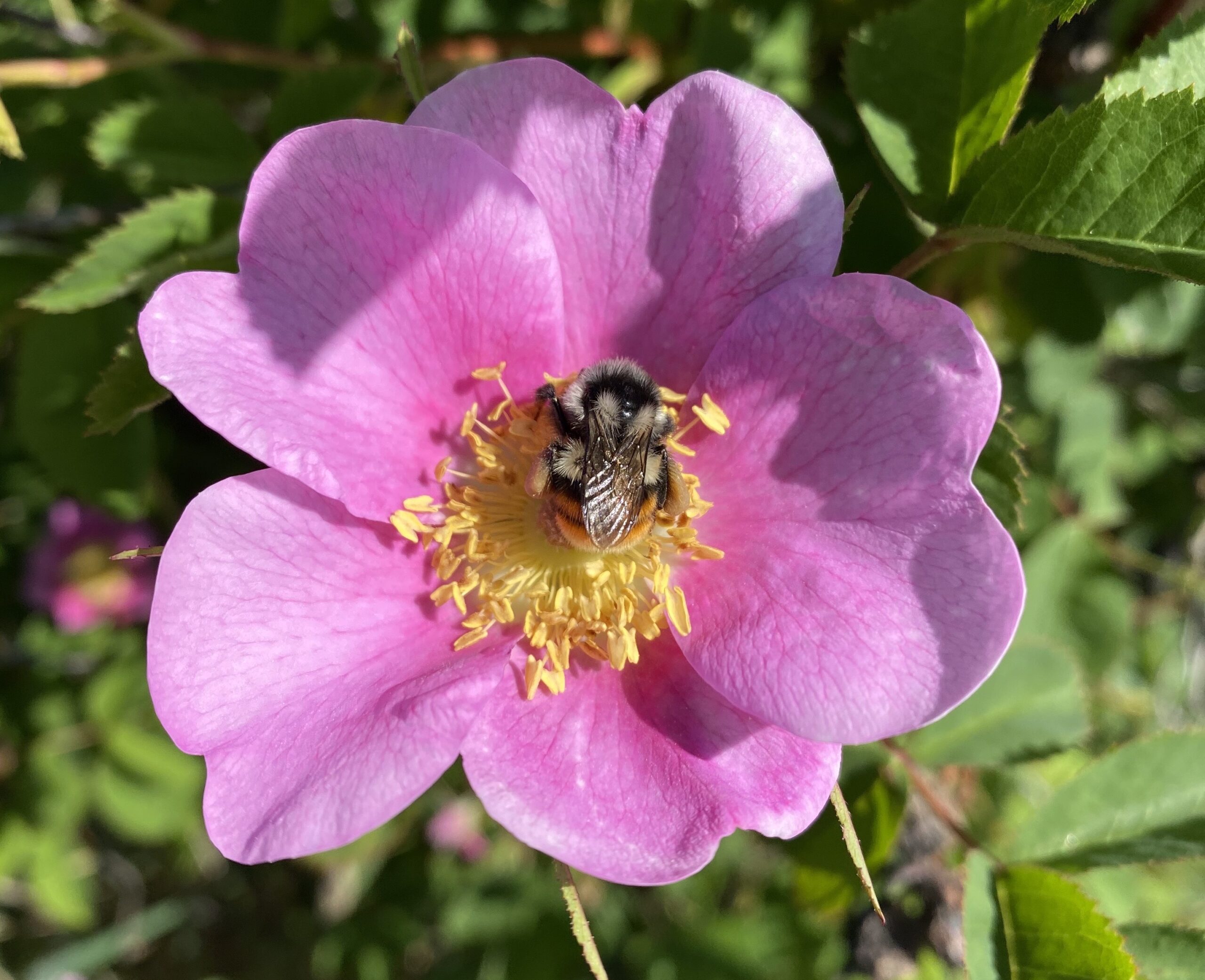
Photo credit: Alexadrina Mihalkova (left) and Kephra Beckett (right)
The horticultural rose (left) is vibrant and beautiful, however, the number of petals prevents a little pollinator from being able to reach the nectar and pollen hidden inside. On the right, you see a Nootka rose, native to BC, with a bumblebee (Bombus vancouverensis) foraging on it. This Nootka rose has fewer petals so a pollinator can easily access the nectar and pollen displayed in the centre of the floret. There is room in the garden for both of these luscious roses but consider making some space for native varieties when possible!
Hot tips:
Along with planting some pollinator-loving plants, here are some hot tips for making pollinator-friendly backyards.
¤ Make sure to not use pesticides, and purchase starters that have not been treated with pesticides before you bought them.
¤ Prevent turning the soil or mulching where possible. Over 70% of native bees live in the ground, and disturbed soil ruins their homes.
→ This also means we are giving you an official license to leave your garden messy in early spring (details on what this looks like here). This is when hibernating bees like queen bumblebees are just starting to come out of the ground, and we don’t want to disturb them too early.
¤ Plan your garden according to bloom time. Bees are busy, and they need access to flowers throughout the whole season, so make sure your garden can deliver the goods. Plant flowers that will come out in bloom succession month after month. You’ll appreciate it too!
¤ Beware of ‘native seed’ packets you can buy online or at chain stores, many of them are generic and not location-specific, and even contain invasive species sometimes!
Fun Facts about Pollinators!
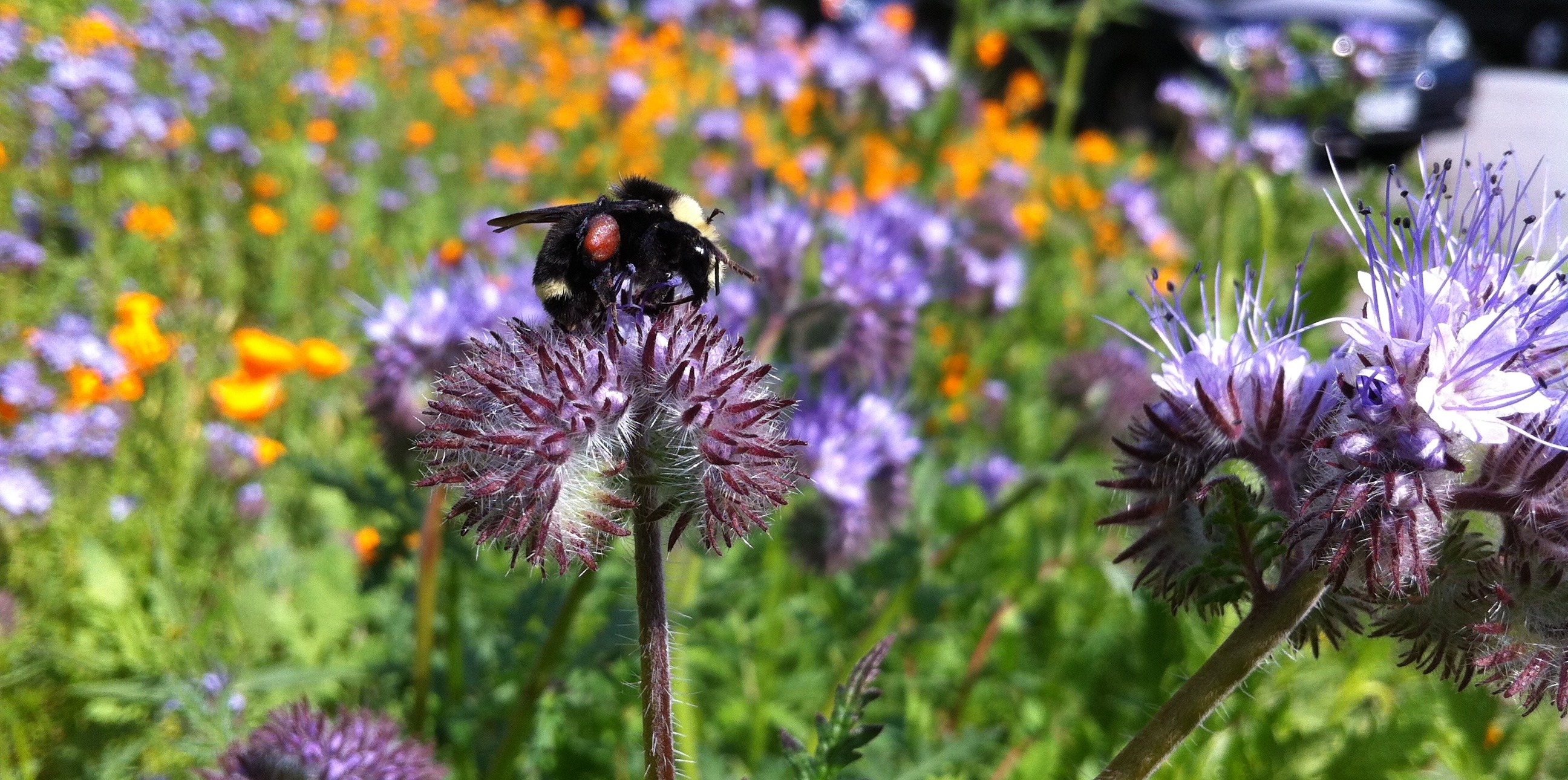
When visiting flowers bumblebees vibrate their wings at a special frequency that shakes the flowers the perfect way to release pollen. This is called Buzz Pollination.
There are over 460 native species of bees in British Columbia alone!
Have you ever heard of the waggle dance? It’s the vibrating dance honeybees do for others in their colony to show where they can find flowers. For a visual explanation check out this video, or our personal favourite educator, Miss Frizzle explain it (the whole episode is on honeybees, at 18:42 they start to explain the waggle dance).
Honeybees (Apis mellifera) are not native to North America, they were originally imported from Europe in the 1600s.
Download resources to get started
To make it easy for you to get involved with this project and to run your own surveys, we have created some tools and resources:
1) Pollinator ID card
2) Instruction sheet
3) Instruction sheet (schools)
4) Survey form
5) Pollinator-themed activities and games
6) Summer 2018 NatureWILD Magazine featuring articles on pollinators
NatureKids BC will be running Pollinator Explorer Days through our family clubs across BC (check upcoming events), but you are also welcome to create your own event with your friends, family or class.
We welcome questions and suggestions for improving this program. Please contact us at coordinator@naturekidsbc.ca. We’d also love to hear about your experience with this pollinator citizen science program on social media – please tag us! Click here to follow us on Facebook or Twitter.
We are very grateful to our supporters: